プノンペン
パクセ
Fri, Sep 4
+ Add return
2 Travelers

Discover Pai

About Pai, Thailand

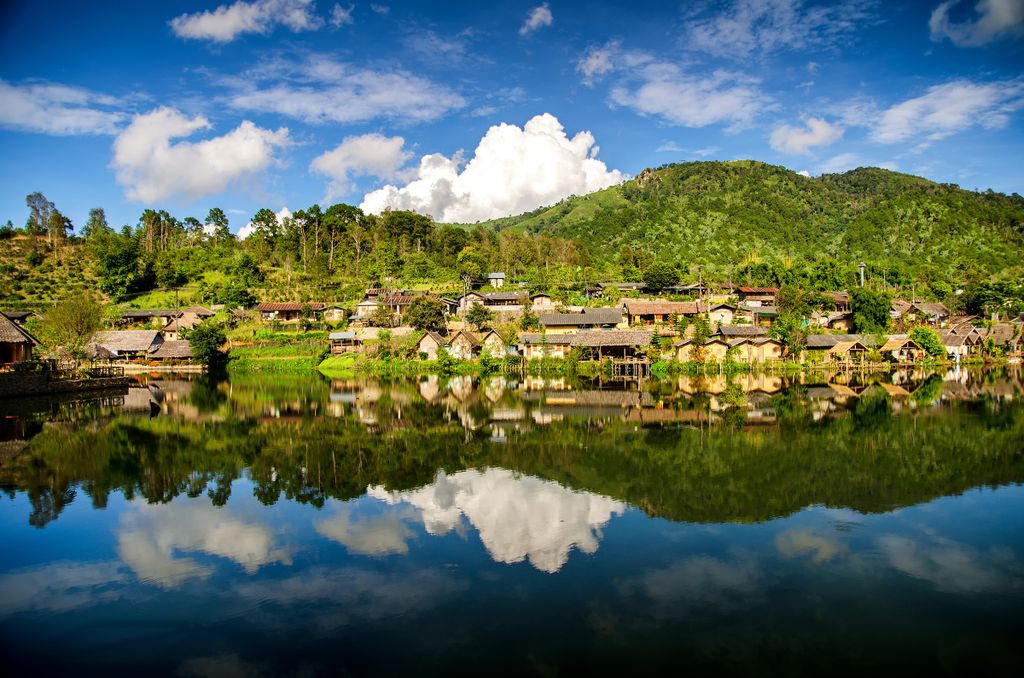
Pai is a small town located in the northern part of Thailand, within Mae Hong Son Province, approximately 135 kilometers northwest of Chiang Mai. Nestled in a mountainous region, Pai has grown from a quiet market village into a popular travel destination, especially for those seeking a serene atmosphere and natural beauty. The town is known for its picturesque landscapes, hot springs, and a relaxed, bohemian vibe, making it an appealing choice for travelers looking to explore northern Thailand's scenic and cultural offerings.

Main Points of Interest in Pai
  • Pai Canyon: Offers stunning views of the surrounding valleys and is a popular spot for sunrise and sunset.
  • Pai Memorial Bridge: A historical site from World War II, offering insights into the region's past.
  • Hot Springs: Both Tha Pai and Sai Ngam hot springs are popular for their therapeutic waters.
  • Pai Walking Street: Known for its night market, where visitors can enjoy local street food and crafts.
  • Wat Phra That Mae Yen: A temple on a hill with panoramic views of the Pai valley.
Climate and Best Times to Visit Pai

Pai experiences a tropical savanna climate, with a distinct wet and dry season. The best time to visit is from November to February when the weather is cooler and drier, with average temperatures ranging from 15°C to 28°C (59°F to 82°F). The rainy season, from May to October, sees heavier rainfall, particularly in August and September.

Budget and Travel Costs in Pai

Pai is considered budget-friendly compared to larger Thai cities. Prices are approximate (1 USD ≈ 37 THB).

  • Accommodation:
    • Hostel Dorm Bed: $5 - $10 USD (185 - 370 THB) per night.
    • Guesthouse Room: $15 - $30 USD (550 - 1,100 THB) per night.
  • Food & Drink:
    • Local Thai Meal: $2 - $5 USD (75 - 185 THB).
    • Western-style Meal: $5 - $10 USD (185 - 370 THB).
  • Activities:
    • Entrance to Hot Springs: $2 - $3 USD (75 - 110 THB).
Transportation To and From Pai

Pai is accessible primarily by road from Chiang Mai, with the scenic route featuring over 700 curves.

  • Chiang Mai International Airport (CNX): The nearest major airport, located about 135 kilometers from Pai.
  • Bus and Minivan Services: Regular services connect Pai with Chiang Mai and Mae Hong Son.
  • Motorbike Rentals: A popular mode of transport for exploring the local area, available in Pai town.

Top Pai Routes by Transport Type

Bus from Pai

DestinationOperatorsOffersFirst DepartureLast DepartureDurationMin PriceRating
1
14
07:00
18:30
3h55m
$4.81
  4.3
1
4
07:00
07:00
23h0m
$63.10
  2.0
1
1
14:30
14:30
8h50m
$4.81
  4.6

Ferry from Pai

DestinationOperatorsOffersFirst DepartureLast DepartureDurationMin PriceRating
1
2
07:00
07:00
57h30m
$81.13
  5.0

Van from Pai

DestinationOperatorsOffersFirst DepartureLast DepartureDurationMin PriceRating
1
4
07:00
07:00
7h0m
$19.53
  4.1
1
42
07:00
15:30
4h0m
$5.11
  4.0
1
2
07:00
07:00
11h0m
$36.06
  4.0
1
4
07:00
07:00
35h0m
$82.63
1
1
07:00
07:00
30h30m
$64.61
1
2
07:00
07:00
9h0m
$30.05
1
2
07:00
07:00
48h40m
$103.67
1
2
07:00
07:00
49h55m
$114.19

Bus to Pai

DestinationOperatorsOffersFirst DepartureLast DepartureDurationMin PriceRating
1
13
06:30
18:30
4h20m
$4.81
  4.3
1
2
18:30
18:30
17h0m
$30.05
1
6
20:40
21:25
12h0m
$45.97

Van to Pai

DestinationOperatorsOffersFirst DepartureLast DepartureDurationMin PriceRating
1
13
05:00
14:30
12h0m
$5.11
  4.4

Popular Questions

What is Pai like for tourists?

Pai, located in northern Thailand, is popular among tourists for its relaxed atmosphere and natural beauty. The town is nestled in the mountains and is known for its scenic landscapes, including waterfalls, hot springs, and rice paddies.

Transportation: The most common way to reach Pai is by taking a minivan from Chiang Mai, a journey of about 3-4 hours. Once in Pai, renting a scooter is a popular option for exploring the area, as public transportation options are limited.

Places to Visit: Key attractions include Pai Canyon, Tha Pai Hot Springs, and the nearby waterfalls such as Mo Paeng and Pam Bok. The Bamboo Bridge and the Chinese Village offer cultural insights.

Dining: Pai offers a range of dining options, from local Thai eateries to international cuisine. The night market is a great place to try local snacks and dishes.

Water Cleanliness: Tap water is not recommended for drinking; stick to bottled water. Swimming areas such as the hot springs are generally clean and safe for visitors.

Does Pai have good drinking water?

In Pai, it is generally advised to drink bottled water. The tap water is not considered safe for direct consumption due to potential contamination and varying water treatment standards. Bottled water is widely available in shops and restaurants.

For swimming, Pai does not have a coastline, but the nearby waterfalls and hot springs are popular spots. These natural areas are generally safe for swimming, though it is always advisable to check local conditions and any advisories before entering the water.

Which part of Pai is best to stay in?

The central area of Pai is generally the best place to stay, especially for first-time visitors. It's close to the main walking street, where you'll find a variety of restaurants, shops, and nightlife options. This area provides easy access to local attractions and transportation.

For a quieter experience, consider staying just outside the town center. Areas near the Pai River offer a more peaceful setting while still being within walking distance of the main attractions. Here, you can find a range of accommodations from budget hostels to boutique hotels.

Transportation within Pai is simple, with motorbike rentals available for around 100-200 THB ($3-6) per day, making it easy to explore the surrounding countryside. Tuk-tuks and local taxis are also an option for short trips.

When choosing accommodation, consider what you value most—proximity to activities or a tranquil retreat. Both options offer unique experiences of this charming town.

What are some cool facts about Pai?

Pai, located in northern Thailand, is known for its relaxed atmosphere and natural beauty. Here are some practical details and tips for travelers:

Transportation: Pai is accessible by a scenic drive from Chiang Mai, which takes about 3-4 hours. The route is famous for its 762 curves, so prepare accordingly if you’re prone to motion sickness. Alternatively, you can take a short flight.

Places to Visit: Popular spots include Pai Canyon, offering picturesque views, and the Pai Hot Springs, perfect for relaxation. The Land Split is another unique attraction, where you can learn about the natural phenomenon and enjoy local snacks.

Local Customs: The town has a laid-back vibe, with a mix of local Thais and international travelers. Respecting local customs and dressing modestly when visiting temples is recommended.

Dining: Pai has a variety of dining options, from traditional Thai street food to international cuisines. Meals typically cost around 50-150 THB ($1.40-$4.20).

Water Cleanliness: Tap water is not recommended for drinking; use bottled water. Swimming in local rivers is generally safe, but always check current conditions.

What is the ethnicity of Pai?

Pai is a small town located in northern Thailand, known for its mix of ethnic groups. The population includes Thai people, Shan (Tai Yai), and various hill tribes such as the Karen, Lisu, and Lahu. This diversity contributes to Pai's unique cultural atmosphere, with influences seen in local festivals, markets, and cuisine. Visitors can experience this cultural blend through events like the local markets where handmade crafts and traditional foods are available. It's important for travelers to respect local customs and traditions, as the ethnic communities in Pai often maintain distinct cultural practices.